
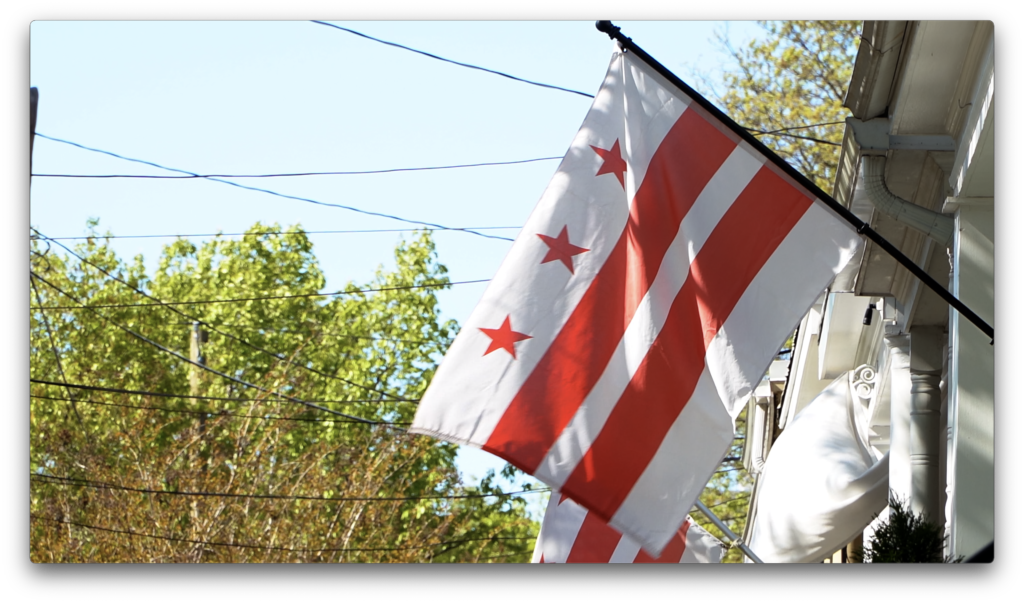
In honor of 4/20 and Black Women’s History Month, the Bridge is highlighting the need for cannabis legalization through the lens of social justice. In the District, the primary barrier to cannabis legalization is the absence of Statehood.
The District is the only political and geographic entity in the United States that shares all of the burdens of citizenship, including taxation, but lacks the rights and representation which fellow Americans enjoy.
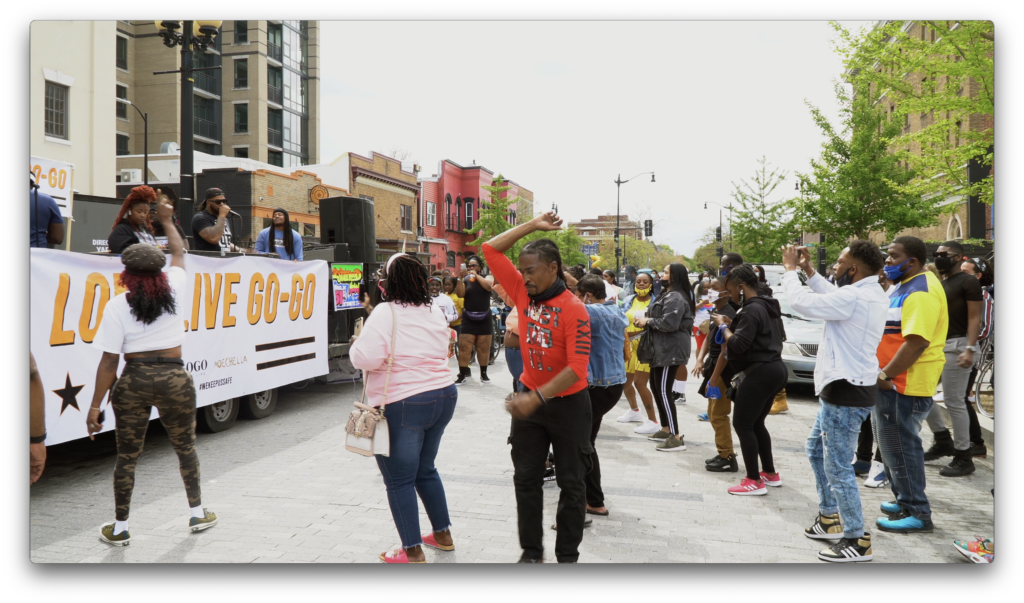
Cannabis prohibition has devastated the African-American community in the District and nationally. Families of justice-impacted residents suffered under the War on Drugs, and some have yet to recover. Dewey Ortiz Jr.’s new film, Higher Power, shines a spotlight on these inequities from the perspective of cannabis entrepreneurship.
Ortiz Jr. was joined by Ward 5 resident Ms. Rafi Crockett in producing the film. In interviewing Ortiz and Crockett, there were two takeaways: First, the legalization of cannabis in the District has been prohibited by elected officials who do not represent District residents and can overturn legislation voted upon by our elected officials in Congress. Second, legalizing cannabis is not merely an economic boon for businesses but a restorative justice vehicle to repair past harms.
“Statehood isn’t just like, “Oh, you don’t have two senators? You don’t have a vote in the house?” We don’t have those things, and people who don’t represent us, people we did not vote for, can overturn things our elected officials enact. That’s a huge hole in our democracy,” Crockett bluntly explained.
Barriers to Entry
With only seven licensed dispensaries operating in the District, the proliferation of the Initiative 71 businesses, or “cannabis gifting,” and unlicensed cannabis professionals addresses the perpetual harm done by inequitable access to the legitimate cannabis industry. Many justice-impacted cannabis entrepreneurs with significant experience in the space are barred from applying for licensure in the initial applications for dispensary licensure.
The original law precluded felons from applying for dispensary licensure. Additional barriers faced by cannabis entrepreneurs include lack of access to financial resources, technical assistance, and related challenges identified by African-American entrepreneurs broadly. Thus, many cannabis professionals veered away from seeking dispensary licensure and opted to engage in Initiative 71-permitted cannabis gifting or simply selling outside any formal business entity.
I-71 Gifting Shops and Delivery Services
Gifting shops, “selling” items such as t-shirts, pens, and other goods while charging exorbitant pricing for the goods offered, seem to pierce the veil of the gifting provision. However, some shops and delivery services have found mechanisms to provide value beyond their “gifts.”
Art Supply DC: Model Compliance
One such business, Art Supply DC, is a delivery service founded by an African-American woman and native Washingtonian. As an artist and curator-turned-cannabis gifter, her business plan strives to support her community of artists while also adding value to the art purchased. Due to the space’s uncertainty, she prefers to remain anonymous like many Initiative 71 operators.
Accordingly, Art Supply is the nexus “between cannabis and creativity.” It is a registered business, which pays taxes, and even utilizes a health-inspected kitchen to remain fully compliant with Initiative 71. Their edibles and in-house cartridges are arguably the best and safest in the city.

The Black Market
Some individuals still operate outside the purview of murky District cannabis legalities. Understandably distrustful of registering their business or needing technical assistance, these individuals are not registered with the District, do not pay taxes, and likely do not source cannabis from District growers. This black market poses a potential danger to consumers because their goods are not regulated.
Cannabis is Just a Vehicle
Higher Power seeks to address all three entrepreneurship classes by advocating for Statehood to amend historic injustices within the community. Ortiz and Crockett sought to illustrate that, but for Congress’s domain over the District, we could have control over our affairs, promote the industry, and create reparations for justice-impacted persons and families via the cannabis industry.
The issues are so much larger than cannabis, but this is the chosen vehicle for Ortiz and Crockett. “If voting rights, human rights, and gerrymandering are important to you, then you must also care about Statehood. They all go hand in hand,” Crockett explained. After four years of production, the filmmakers hosted a premiere screening at the Landmark E Street Cinema on Thursday, April 19th. Check out the trailer below and visit www.higherpowerfilm.org to learn more.
The Bridge honors 420 and Black Women’s History Month by acknowledging this important film and the women-led businesses contributing to our city’s autonomy. Enjoy 420 responsibly, continue championing Black Women, and Higher Power is a must-see for all District residents.
