
Washington D.C. rapper Gleesh has established himself as an influencer within go-go music and the independent hip-hop circuit. Breaking through as a viral sensation with tracks like “SKRONG” and “Its Sad Boy,” Gleesh’s animated persona and delivery of hard-knocked truths earned him recognition as “next to blow” by XXL and other publications. Known for his raw, drawled freestyles and massive streaming hits like “Wasabi” and “Water,” Gleesh’s music has resonated widely, with his signature dance move, the Gleesh Walk, gaining notable popularity in A$AP Rocky’s “Multiply” music video.
Gleesh recently opened up about how making music has served as an outlet for his mental health. “I yelled that energy onto that song, and that’s where it stayed,” he said, reflecting on how creating the song “Please” helped him overcome his dependence on certain substances. This process of using music as a release has been crucial in maintaining his mental health. Gleesh’s therapeutic use of music allows him to channel his experiences and emotions into his art, transforming his struggles into powerful lyrical content.

Facing personal challenges, Gleesh has encountered problems with the law, relationships, and substance abuse—issues many young people can relate to. He emphasizes the importance of confronting these problems head-on, acknowledging that “holding on to them is what causes the illness in your head.” By taking responsibility and working through his issues, Gleesh has managed to navigate his mental health struggles. “The world is in your head. It’s up to you to battle your demons and come to terms with your losses,” he asserts, advocating for personal responsibility in overcoming mental challenges.
In the music industry and broader community, Gleesh has faced the stigma surrounding mental health. He believes that addressing mental health openly and honestly is crucial to breaking down these stigmas. Despite these challenges, Gleesh has remained focused on his music and personal growth, using his platform to encourage others to do the same.
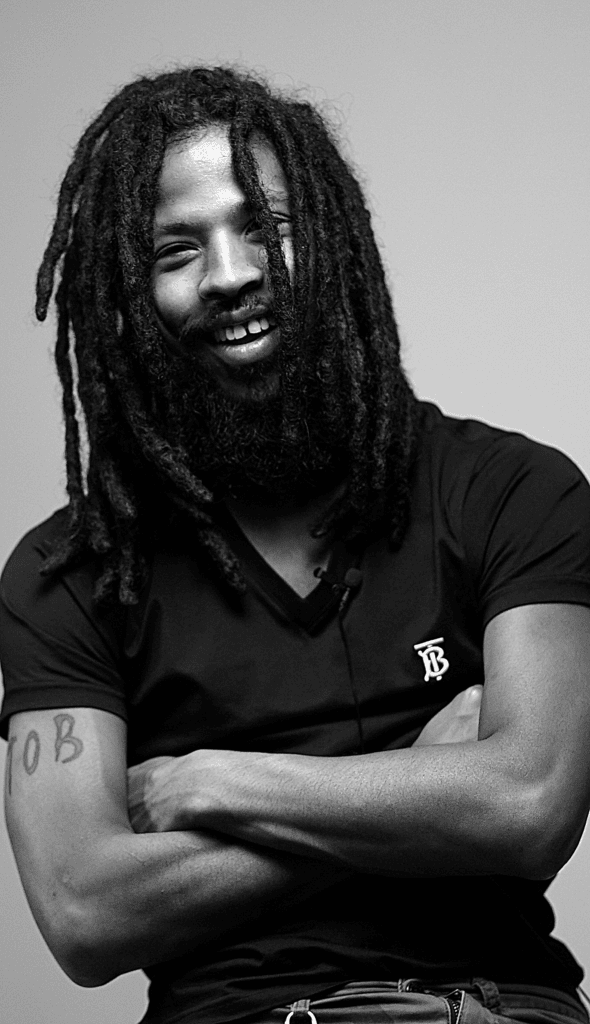
Social media’s impact on mental health is another topic Gleesh discusses, recognizing both its positive and negative effects. “I’m only on social media because I make music. If it wasn’t for that, I probably wouldn’t care for any of it,” he admits. He emphasizes the need to find a balance and set boundaries to maintain well-being, suggesting that people should be mindful of their social media use to protect their mental health.
Legal problems and media scrutiny have also been significant aspects of Gleesh’s journey. He highlights the importance of financial resources in navigating the legal system, saying, “We watch people with money get away with things every day. You need money to fight these battles.” Despite the stress and challenges, Gleesh has managed to cope by focusing on his music and personal growth.
When asked about mental health resources or practices that have been helpful, Gleesh emphasizes the importance of introspection and spending time alone to deal with mental challenges. “A lot of people avoid their own mind, so they go out all the time. The best way to defeat these mental problems is by having your own time and space,” he advises.
One unconventional piece of advice Gleesh received about the music industry was to leverage his existing skills to get a foot in the door. He shares an anecdote about Kanye West, who initially gained fame as a producer before becoming a successful rapper. Gleesh applied this strategy to his career, focusing on his strengths and gradually expanding his skills.
Looking to the future, Gleesh has several exciting projects in the works. He is preparing to release a new album titled “Old Gleesh,” inspired by fans wanting the old Gleesh back. Additionally, he is working on a podcast and other creative ventures aimed at building a diverse and influential brand. “I’m really trying to build a big brand that encompasses every type of culture, art, music, and business,” he shares, outlining his ambitious plans.
Gleesh’s candid conversation sheds light on the realities of an artist dealing with mental health issues, offering insight and inspiration for others facing similar struggles. His story is a testament to the power of music as a therapeutic outlet and the importance of addressing mental health head-on. As he puts it, “It’s all in your head. No one can fix that but you.”
